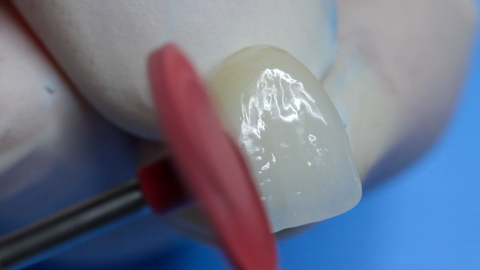
The Ceram Art Incisal Edge--A Natural, Layered Workflow for Stunning Results
I've been using Ivoclar's new CeramArt liquid ceramic with its self-leveling glaze for about six months now, and I have truly fallen in love with it.
What impresses me most is its ability to add subtle characterization that can transform even an opaque zirconia or ceramic restoration into something that looks softer, more natural, and more lifelike. The colors have remarkable depth.
Because CeramArt is a liquid ceramic, it allows us to build color in layers. We can apply one layer over another, introducing different shades and effects that create a true sense of depth. We can also blend colors directly on the restoration, giving us tremendous artistic flexibility.
In this video, I'll walk you through my basic workflow for creating a beautiful, natural-looking incisal edge. This is the technique I use every day in practice.
CeramArt is a low-fusing ceramic, so with lithium disilicate restorations such as IPS e.max, it is applied after the restoration has been fully crystallized. The firing cycle is efficient and surprisingly fast, especially when using the Programat CS6 furnace, making it very practical for same-day dentistry.
I've found this system to be an outstanding addition to my clinical workflow. It allows me to create realistic color transitions, blending effects, and natural characterization with a predictable, efficient technique.
This video demonstrates one straightforward workflow, but it's really only the beginning. As you become familiar with the material, you'll discover countless combinations of shades and effects. The creative possibilities are extensive—and the results can be nothing short of magical.