Micro-Texturing Ceramics: The Foundation for Self-Leveling Glaze
This was a fun video to capture and create because it highlights a workflow that I believe is changing the way we finish ceramic restorations.
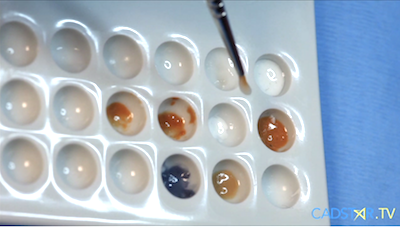
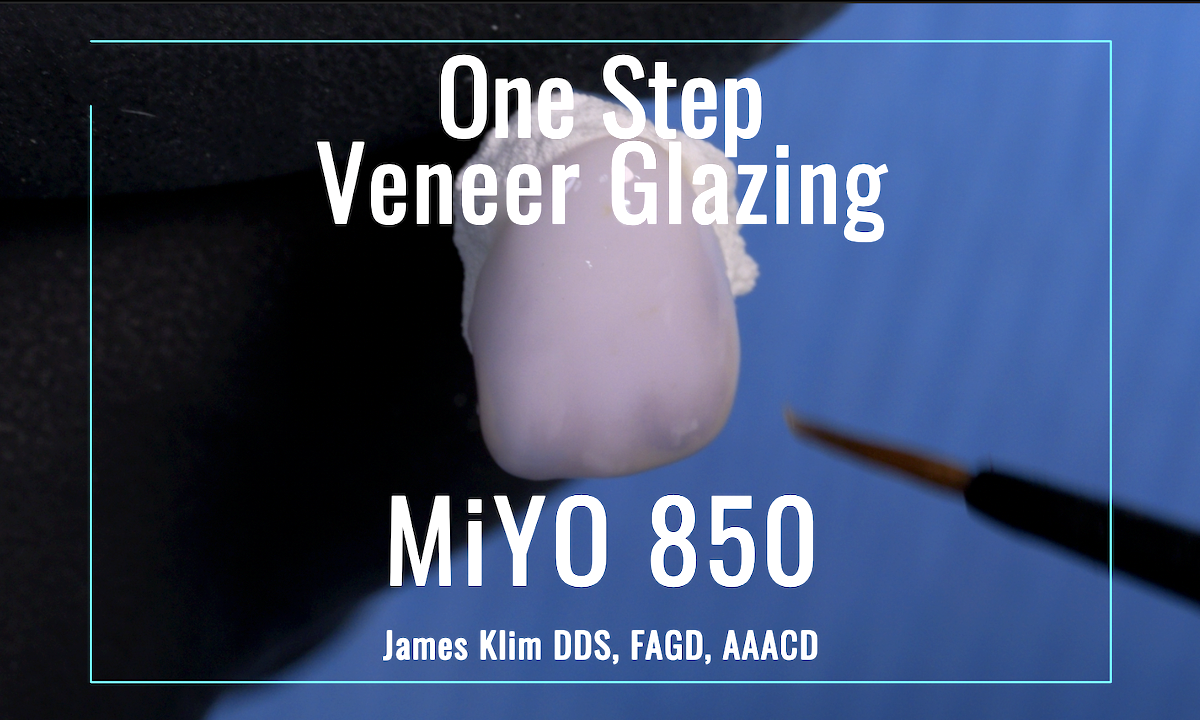
In this video, I demonstrate my approach to micro-texturing e.max restorations before applying the new generation of self-leveling glazes. I'm using both the self-leveling glaze Ceramic Art from Ivoclar and MIYO Aesthetic's Self-Leveling Glaze. While the materials differ slightly, the philosophy is the same: create the surface correctly first, and the glaze will enhance—not hide—the artistry.
Rather than depending on the glaze to create character, we reverse engineer the restoration by developing the proper texture before glazing. The result is a surface that reflects light naturally and produces a beautiful, lifelike finish. Outside of a few specialized polishing techniques, I haven't seen anything quite like this in dentistry.
One of the exciting advantages of today's CAD software—whether you're using CEREC, Exocad, inLab, or another platform—is that we can now create approximately 95% of the final restoration digitally. Primary anatomy, secondary anatomy, developmental lobes, incisal edge design, emergence profile, and even subtle groove patterns can all be established before the restoration is ever milled.
Once the design is complete, I recommend using a refined milling strategy. For CEREC users, that means using the Extra Fine milling option on the Prime Mill or MC XL whenever appropriate. The cleaner the milled surface, the less aggressive finishing you'll need, allowing you to preserve the precision that was created in the software.
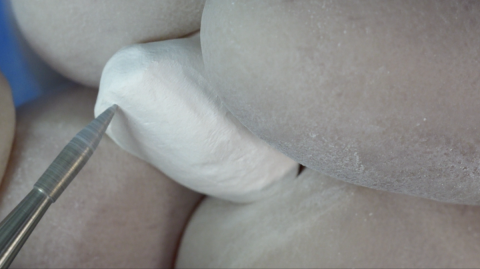
After milling, the objective shifts from shaping to refinement. This is where micro-texturing becomes so important. I often describe this stage as "fingerprinting" the restoration—adding the subtle details that make every tooth unique. These microscopic surface characteristics provide the ideal foundation for self-leveling glaze.
Interestingly, once these restorations are placed in the mouth and covered with saliva, much of this fine texture becomes visually subtle. Yet that doesn't diminish its importance. It is precisely this attention to microscopic detail that creates a restoration with depth, vitality, and a natural interaction with light.
Perhaps the greatest benefit of this workflow is not simply producing a better restoration—it is becoming a better clinician. Over the past several years, I've found that the discipline of studying, creating, and refining micro-texture has trained my eye to notice details I once overlooked. Whether restoring a single tooth or completing a full smile makeover, my results have become more refined because my observations have become more refined.
I hope you'll enjoy this video. It is longer than many of my presentations, but intentionally so. I encourage you to watch it more than once. The goal isn't simply to learn a technique—it's to develop a deeper appreciation for surface anatomy and to master the workflow that allows self-leveling glaze to achieve its full potential.